HYROX Nagoya 2027: Race, Hotels, Food & Japan Travel Guide

Racing HYROX in Nagoya is a chance to see a different side of Japan: a waterfront race venue, a city shaped by manufacturing and railway history, a distinctive local food culture, and straightforward connections to other major cities. This English special feature helps international athletes organise the whole trip, from choosing a hotel to deciding what to do with two, three, four, five or seven nights.
1. HYROX Nagoya 2027: the details that determine your trip
| Official event name | JR Central HYROX Nagoya |
|---|---|
| Event dates | Friday 16–Sunday 18 April 2027 |
| Venue | Port Messe Nagoya, Kinjofuto, Minato-ku, Nagoya |
| Official information and tickets | HYROX Nagoya event page |
| Your race date | The date and division on your ticket, not necessarily all three event days. |
Singles Pro is provisionally on Friday; Doubles Pro is on Saturday. Relay Men and Women are scheduled for Friday, while Mixed Relay is on Sunday. This matters if you are booking a short holiday around a weekend: a Friday race needs an earlier arrival than a Sunday one.
| Division | Announced days |
|---|---|
| Men Open / Men Adaptive | Friday 16 and Saturday 17 |
| Women Open / Women Adaptive | Friday 16 and Sunday 18 |
| Doubles Men Open / Doubles Women Open | Friday 16 and Sunday 18 |
| Doubles Mixed | Friday 16 and Saturday 17 |
| Men Pro / Women Pro | Friday 16 |
| Doubles Men Pro / Doubles Women Pro | Saturday 17 |
| Relay Men / Relay Women | Friday 16 |
| Relay Mixed | Sunday 18 |
The organiser currently estimates the last wave starting around 20:20. That is not the venue closing time or your finishing time. Individual start times are expected approximately three days before the event. Check-in timings, the entrance and run-lap arrangements need the final official instructions. Source: HYROX Nagoya event information.
A quick explanation for travelling supporters
HYROX combines running with workout stations. Singles athletes complete the course themselves. In Doubles, both partners run together and share the station work; in Relay, four teammates divide the race. The division on the ticket determines the format and applicable standards. If you are coming to watch rather than race, learning the station order makes following your athlete easier. Use the official introduction to HYROX for an overview of the race format.
Tickets and travel should be checked together
Use the purchase link on the official event page and check your exact division and date. Confirm the current price and availability in the official checkout. A schedule is not proof that a ticket is still on sale. Be careful not to choose an Adaptive or charity entry simply because another category is unavailable; read the eligibility and conditions for the ticket you intend to buy.
For Doubles or Relay, make sure the whole group agrees on the race day before booking accommodation. Complete the participant information required for your entry, and keep the confirmation accessible. Review photo and Flex options before payment. Flex conditions relate to the race ticket; they do not automatically protect a flight, hotel or attraction booking.
If you are buying travel before your personal wave is known, build in a night after the race. This is particularly useful for a Sunday entry: a return flight on Sunday evening can be incompatible with a late start. Read ROXNOW’s entry guide (Japanese) for the more detailed purchasing checklist, and use the official English event page for the terms that apply to this event.
2. Getting to Nagoya and Port Messe Nagoya
Centrair is the airport; Nagoya Station is the city transport hub
Chubu Centrair International Airport (NGO) is the international gateway used in the route below. If your booking says Nagoya Airport or Komaki (NKM), it is a different airport and requires a different transfer. Check the code before choosing accommodation or buying an airport train ticket.
From Centrair, take a Meitetsu train to Meitetsu Nagoya Station. The airport quotes a fastest journey of 28 minutes on the μ-SKY service. A μ-SKY journey requires the appropriate reserved-seat supplement as well as the basic fare. Other services and journey times differ. See Centrair’s official rail instructions before buying.
The 28-minute figure is not the time from the aircraft to your hotel. You still need to clear arrivals, collect bags, reach the station, wait for a train and walk from the arrival platform. Save your hotel’s exact entrance and allow for your luggage, particularly if the flight lands in the evening.
From Nagoya Station to the venue
- Find the Aonami Line at Nagoya Station. Meitetsu, JR and the Aonami Line have different gates; follow the line name rather than treating the whole station complex as one platform.
- Take the train to the final stop, Kinjofuto (金城ふ頭).
- Follow signs for Port Messe Nagoya (ポートメッセなごや), then the event’s entrance signs.
- Use the final HYROX venue map for the correct hall and athlete entrance. Allow separate time for the walk and check-in.
Aonami Line’s official FAQ gives a journey time of 24 minutes between Nagoya and Kinjofuto; this is train time only. Recheck the timetable for April 2027, including the return service. Sources: Aonami Line journey-time FAQ (Japanese) and Port Messe Nagoya access.
Port Messe Nagoya is at Kinjofuto. Nagoyako Station, used for the Port of Nagoya Aquarium area, is not the station for this venue. Also, Aichi Sky Expo near Centrair is a different exhibition venue. Save “Port Messe Nagoya” rather than searching only for “Nagoya exhibition hall”.
The venue’s current Japanese access page says the direct Centrair bus service is suspended. Do not build your race-day arrival around an old airport-to-venue bus timetable. Recheck any reinstatement before travel; the city-centre rail connection is the clearer planning baseline. Source: Port Messe access notices.
Arriving from Tokyo, Kyoto or Osaka
Nagoya is on the Tokaido Shinkansen corridor. If you are already travelling in Japan, arriving by rail may fit your itinerary better than another flight. Check the specific service, seat booking and baggage arrangements through JR Central’s English information. Do not buy a rail pass solely because you are visiting two cities: compare the pass conditions and current cost with the journeys you will actually take.
For a first race trip, our suggestion is to reach your Nagoya hotel before race day. A theoretically possible same-day connection is not necessarily a comfortable one when it includes a long-distance train, a large station, a local line and check-in.
3. Where to stay for HYROX Nagoya
Nagoya Station is our default area to consider for first-time international visitors. It connects the airport journey, the Aonami Line and onward rail travel. That does not mean every hotel with “Nagoya Station” in its name is equally convenient: inspect the walking route and the side of the station before booking.
| Area | Good reasons to choose it | Trade-off |
|---|---|---|
| Nagoya Station / Meieki | A practical starting point for the airport, Aonami Line and Shinkansen. | The station is large; a remote entrance can add time even when the address sounds central. |
| Fushimi | A central-city base for a mix of dining and sightseeing. | You need an extra journey to Nagoya Station before the Aonami Line. |
| Sakae | Useful if city shopping, food and evening outings are priorities. | Budget for the connection to Nagoya Station and check room noise. |
| Kinjofuto / venue vicinity | Worth comparing when proximity to the race is the main goal. | Check the actual walking route, food hours and accommodation availability rather than assuming a large choice. |
| Centrair airport area | Can make sense for the final night before an early flight. | It is a different base from the venue. The airport’s bay location does not make it a short venue commute. |
When comparing rooms, check breakfast hours, bed configuration, luggage storage, laundry and the latest permitted arrival time. A twin room is useful for friends who want separate beds; a double room usually describes one bed. Ask the hotel if any detail is important for your group. For accessibility needs, verify the whole journey rather than relying on a generic “accessible” label.
Changing hotels on race morning makes the day unnecessarily complicated. Unless there is a strong reason, keep the same room for the night before and the night of the race. If you move to an airport hotel for an early departure, do so on a later day, with time to transfer and eat.
4. Nagoya itineraries by number of nights
In these plans, R is your ticketed race day. R−1 is the day before; R+1 is the day after. The plans count nights spent in accommodation, excluding the flight. They are designed to keep race preparation simple and put the more flexible sightseeing after the event.
| Stay | Arrival → departure | What it allows |
|---|---|---|
| 2 nights / 3 days | R−1 → R+1 | A focused race visit. |
| 3 nights / 4 days | R−2 → R+1 | An arrival buffer and a short city introduction. |
| 4 nights / 5 days | R−2 → R+2 | The race plus a flexible Nagoya sightseeing day. |
| 5 nights / 6 days | R−2 → R+3 | Time for a second city day or a separately booked attraction. |
| 7 nights / 8 days | R−3 → R+4 | A longer Japan holiday with an onward extension. |
Two nights: keep the trip centred on the race
Day 1 / R−1: arrive, take the airport train if arriving at Centrair, and check into your hotel. Locate the Aonami Line entrance while you are near the station, but avoid turning the task into a long reconnaissance walk. Buy breakfast, organise documents and eat nearby.
Day 2 / R: travel to Port Messe with time for the announced check-in process. After the race, return to the hotel and keep dinner flexible. Day 3 / R+1: leave for the airport or next destination. A late departure may allow a café stop or shopping near your accommodation; it should not require an early rush to a distant attraction.
This is a workable outline for a short trip, not our default recommendation for a first long-haul race abroad. There is only one pre-race night and little space for delays. If the flight schedule is awkward, adding a night can improve the trip more than trying to compress every transfer.
Three nights: arrive two days before racing
Day 1 / R−2: arrive and settle in. Day 2 / R−1: choose a modest outing near your hotel or a short visit to Sakae, then return to prepare. Early athlete registration is only an option if the organiser confirms its timing and location. Day 3 / R: race. Day 4 / R+1: depart.
If you stay near Nagoya Station, use the additional day to learn the airport and Aonami routes and find a dependable dinner option. This is also a chance to replace anything forgotten without doing it under race-morning pressure. The aim is to arrive at the start feeling organised, not to maximise attractions visited.
Four nights: the best starting point for race plus city
Days 1–3: follow the three-night plan through the race. Day 4 / R+1: choose one main outing. Nagoya Castle’s grounds and Hommaru Palace can be paired with a relaxed meal; alternatively, explore part of Osu and spend time in a café. Finish with a local dish you were saving until after racing. Day 5 / R+2: depart.
For a Saturday 17 April entry, this example means arrival on Thursday 15 April and checkout on Monday 19 April. A Sunday 18 April entry shifts it to Friday 16–Tuesday 20 April. This is why the event’s overall Friday-to-Sunday dates should not be copied directly into a hotel booking.
Five nights: add a museum or a reserved attraction
Days 1–4: keep the four-night structure. Day 5 / R+2: choose an outing based on your interests and how you feel. The Toyota Commemorative Museum of Industry and Technology suits visitors interested in manufacturing; SCMAGLEV and Railway Park suits railway enthusiasts and families. Choose one as the main activity, with time for lunch and breaks. Day 6 / R+3: leave.
If Ghibli Park is a priority, give it a separate day, secure the correct ticket before finalising the plan, and expect substantial walking. It is in Aichi, not at the race venue, and is different from the Ghibli Museum in Tokyo. Do not assume tickets can be bought on arrival. Use the official overseas ticket information for the current process.
Seven nights: Nagoya first, another part of Japan afterwards
Day 1 / R−3: arrive. Day 2 / R−2: take a short city outing and organise supplies. Day 3 / R−1: keep plans light. Day 4 / R: race. Day 5 / R+1: enjoy a slow Nagoya day. Day 6 / R+2: either stay for another local attraction or travel onwards. Day 7 / R+3: explore your chosen destination. Day 8 / R+4: depart.
For an onward stay, choose one destination such as Kyoto or Tokyo and arrange your departure airport around the actual route. Moving every day is possible, but it uses energy on luggage and stations rather than the places you came to see. Keep the Nagoya accommodation through race night and resist scheduling the long-distance move immediately after finishing.
Longer stays can also put the extra nights before the race rather than after it. That may better suit a large time-zone change, a family trip or a late arriving flight. There is no universal number of nights that guarantees recovery from travel; the itinerary should fit your own experience.
5. What to see in Nagoya and Aichi
Nagoya Castle: plan for the palace and grounds
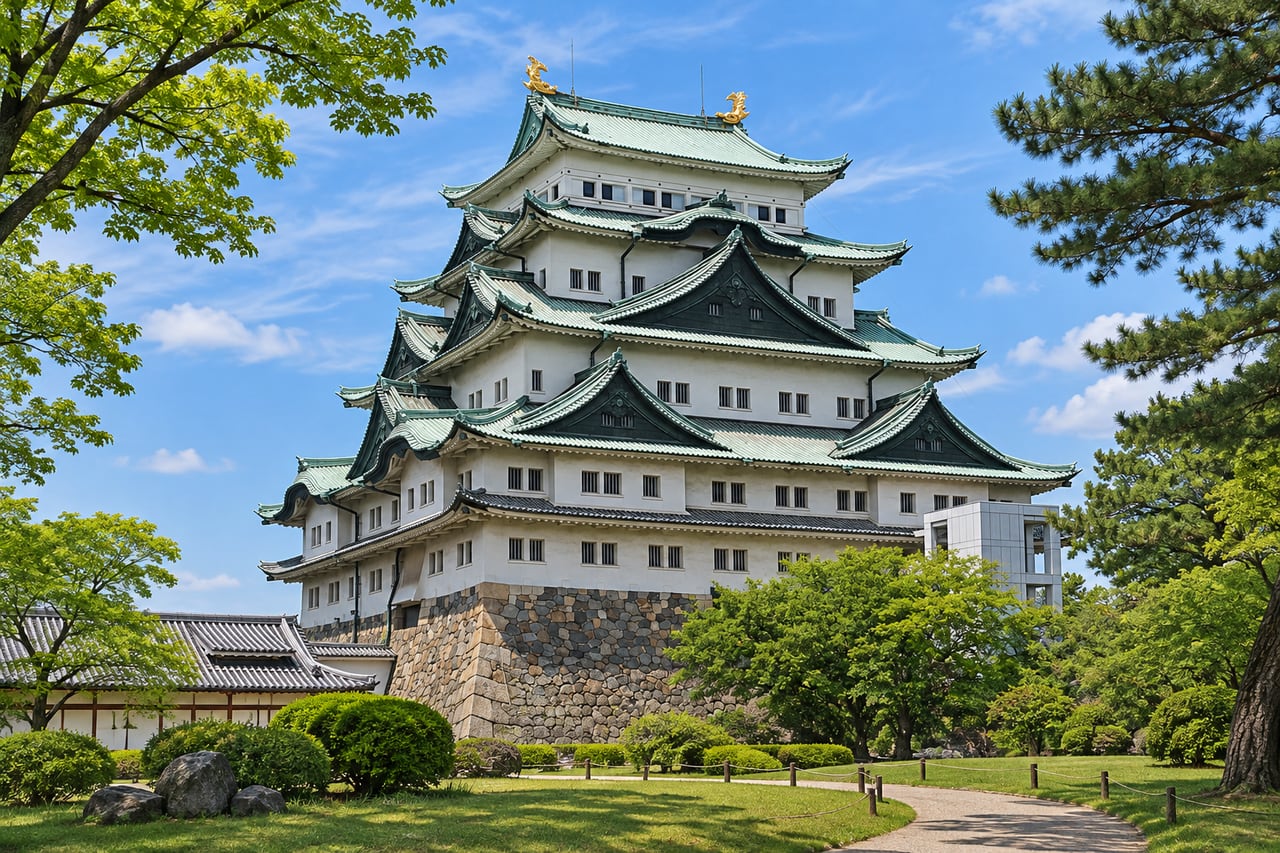
The city’s official tourism information currently says the main tower keep is closed to visitors. Do not plan a climb inside the keep. Hommaru Palace and the grounds offer a different visit, but check their opening details for your date. See Visit Nagoya’s castle information. For a post-race outing, choose a modest route rather than trying to cover every corner of the grounds.
Osu and Sakae: a flexible city outing
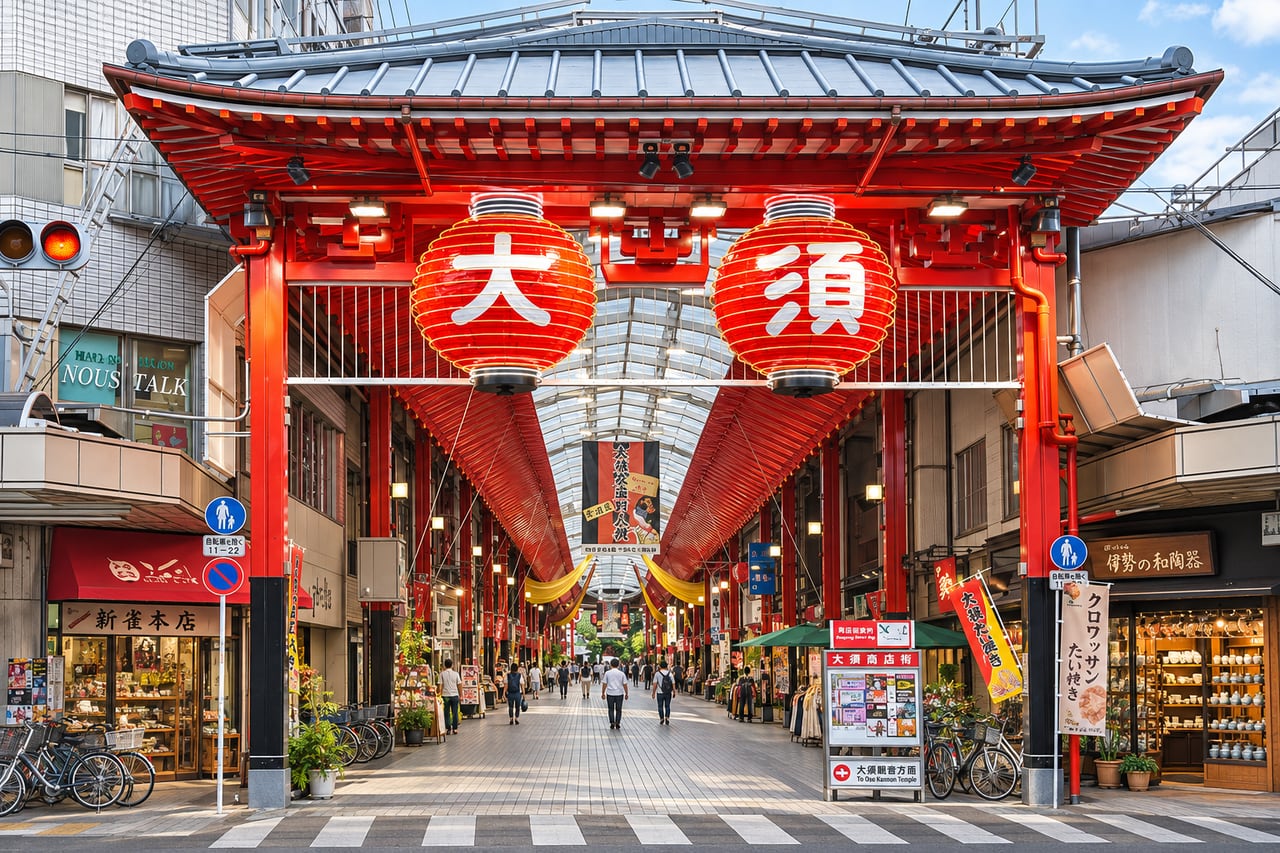
Osu’s shopping district is useful for browsing and food stops; Sakae offers another central-city area for shopping and an evening meal. Choose a starting point, a place to sit down and a return route. A district visit is easy to shorten if you feel tired, which makes it more flexible than a timed attraction with a long journey. Use the official Nagoya tourism guide for current local information.
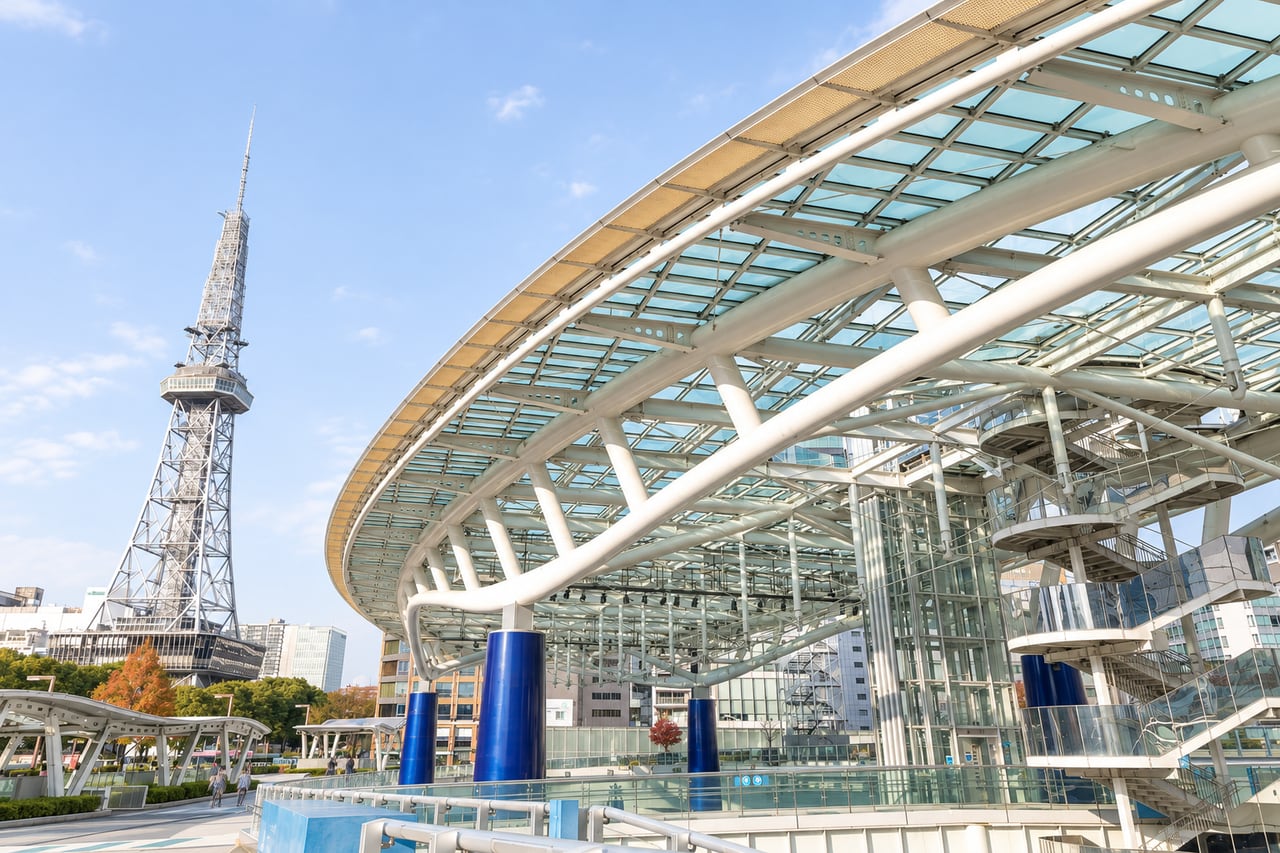
Oasis 21 renovation: the city’s tourism guide lists the rooftop “Spaceship-Aqua” as closed from 4 November 2026 to 30 April 2027, with parts of the ground and underground areas also affected. This overlaps the scheduled HYROX weekend. Check the official renovation notice before planning a rooftop visit.
Museums: choose the subject, not just the word “indoor”
The Toyota Commemorative Museum of Industry and Technology introduces industrial development, while SCMAGLEV and Railway Park focuses on railway history and technology. Check closure days and ticket details before assigning either to your itinerary. Indoor visits can still mean hours on your feet, so leave time for breaks.
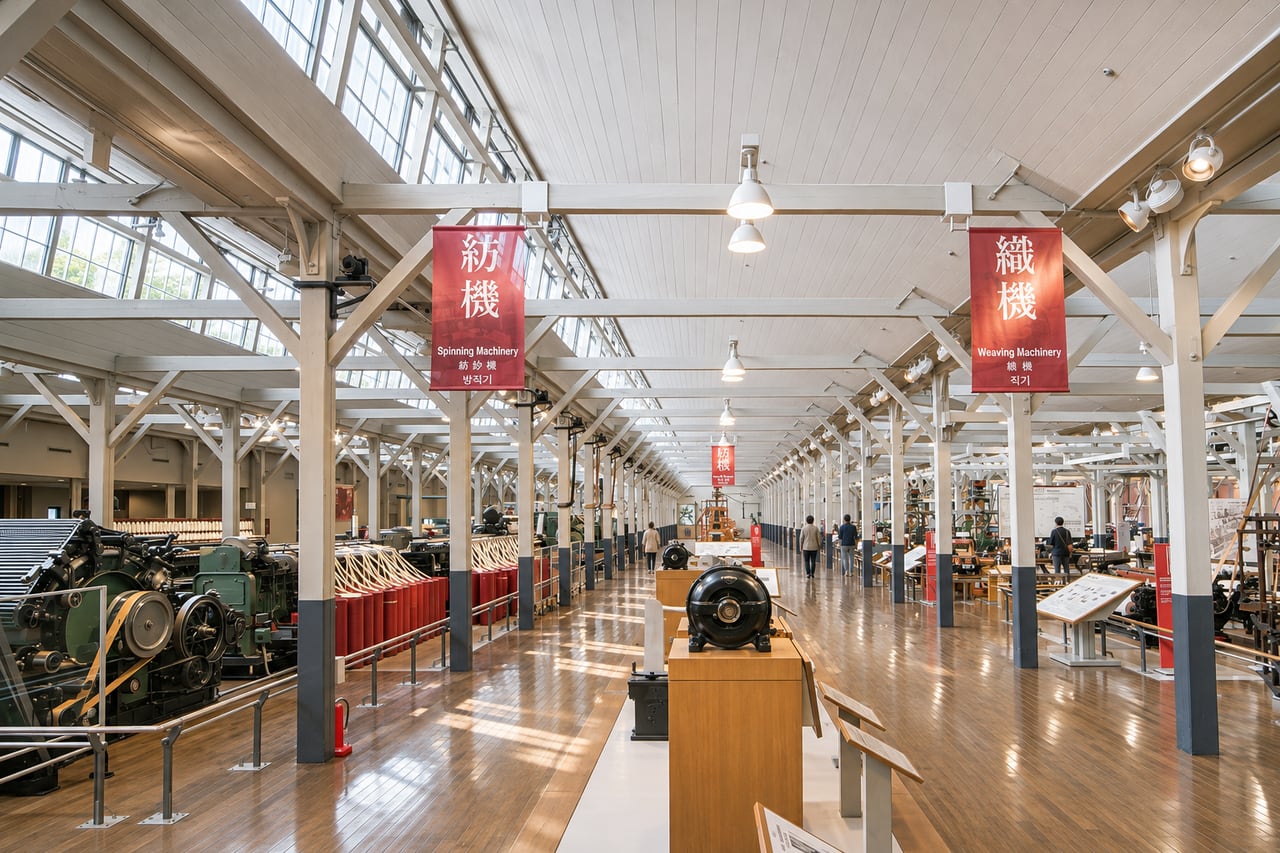
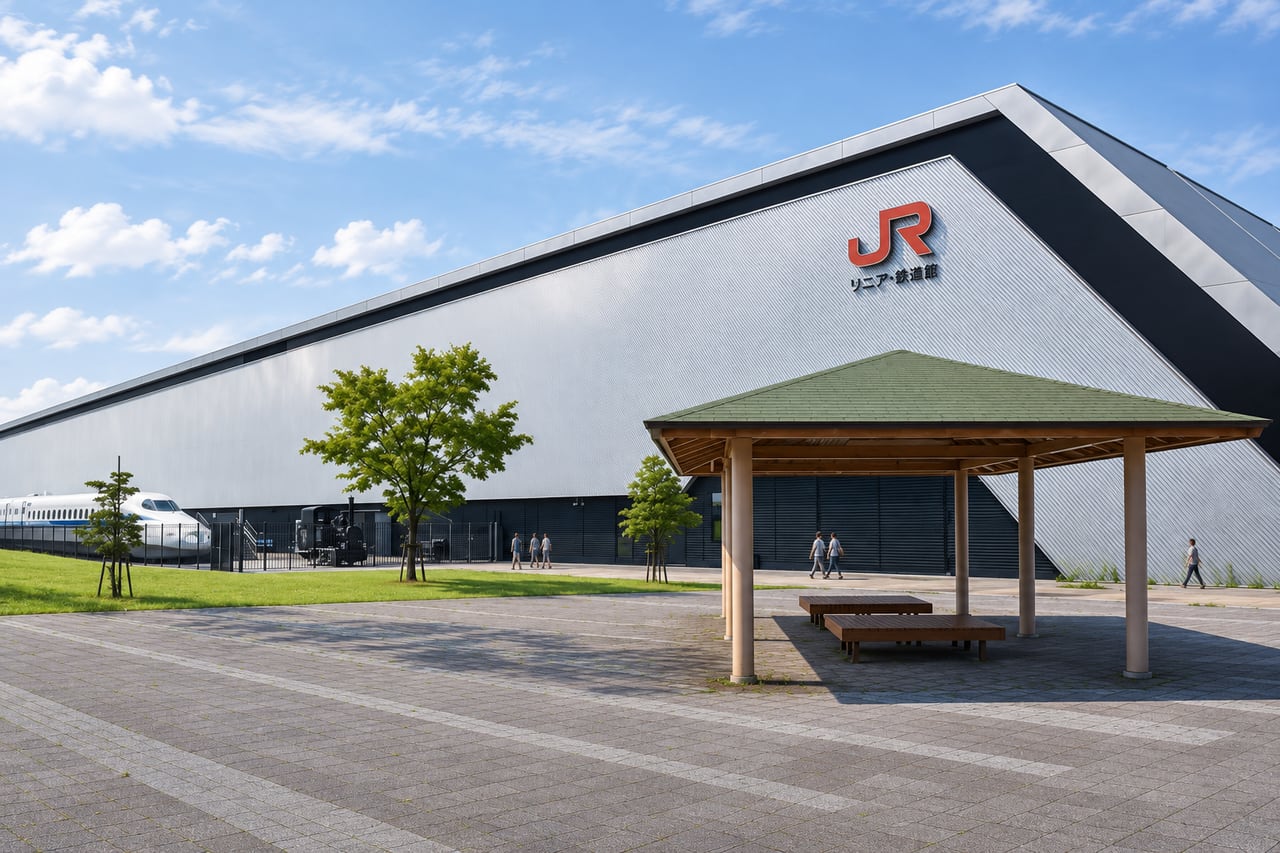
SCMAGLEV and Railway Park is in the Kinjofuto area, but being near the race venue does not make it a useful race-day add-on for every athlete. A late start, bag arrangements and check-in timing may make a separate day much more comfortable. Families can also visit independently while the athlete rests, provided the group has a clear meeting plan.
April plans: enjoy spring without promising cherry blossoms
April is spring, but this guide does not promise that Nagoya’s main cherry-blossom displays will coincide with 16–18 April. Flowering varies by year, variety and location. Treat blossoms as a bonus and check current local reports closer to the trip. Pack layers and rain protection, and look at the forecast for both the city and any excursion rather than assuming warm, dry weather throughout. See JNTO’s seasonal overview.
6. Nagoya food: a guide for your first visit
Nagoya meshi means the region’s distinctive local food culture. Several familiar-looking dishes have a Nagoya version: a pork cutlet with a rich miso sauce, broad flat noodles, or eel rice served with condiments. You can enjoy the city through food without booking a complicated restaurant itinerary.
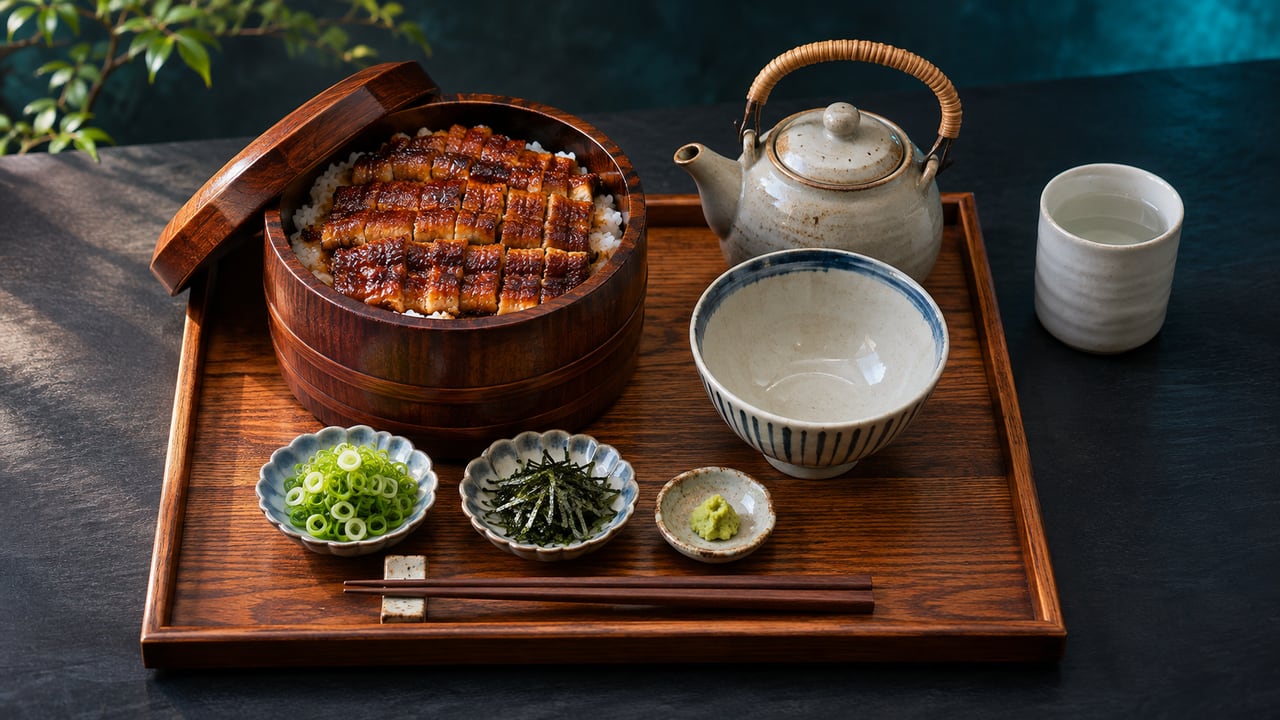
Hitsumabushi
Grilled eel cut into pieces over rice, usually accompanied by condiments and broth or tea.
Commonly enjoyed in small portions with different additions. Follow the restaurant’s explanation.
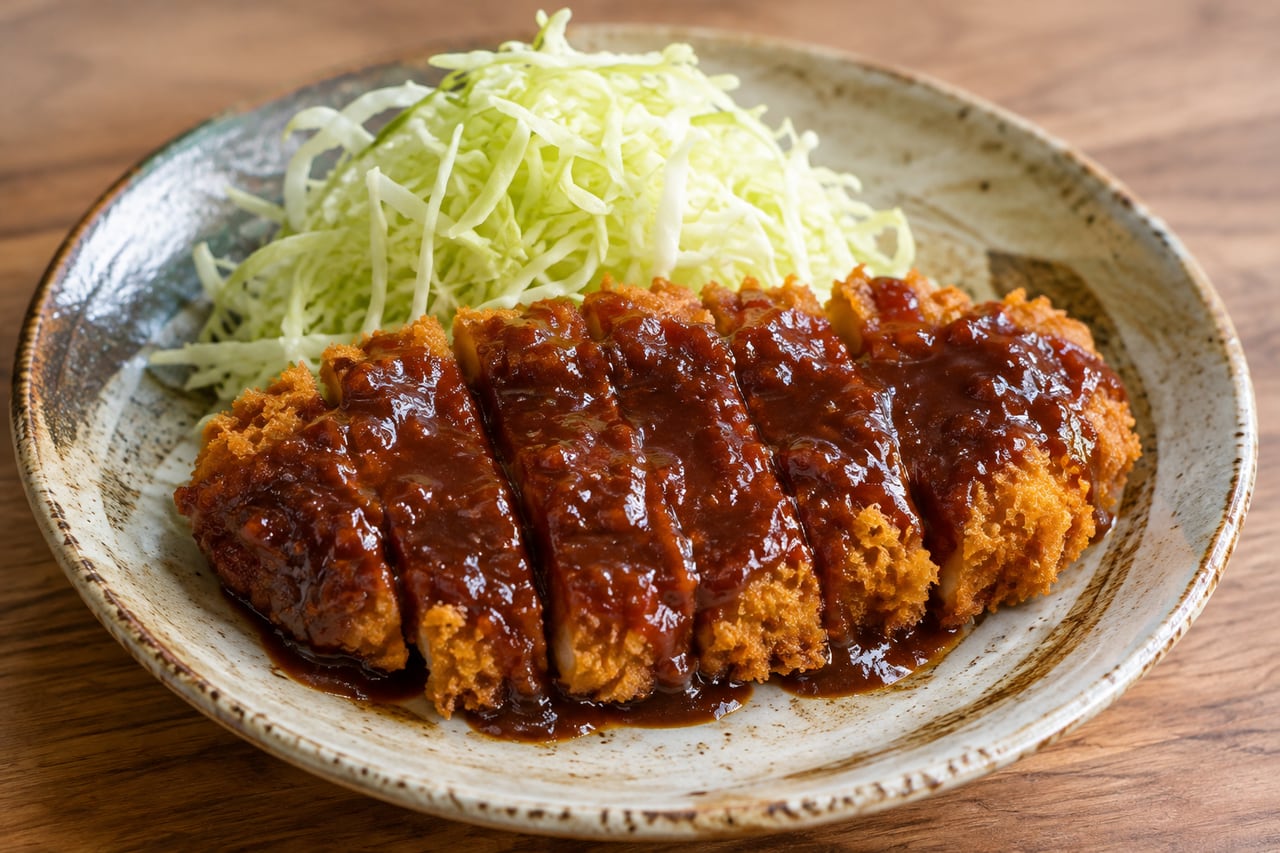
Miso katsu
Breaded pork cutlet with a rich miso-based sauce.
A filling local meal; sauce and preparation vary.
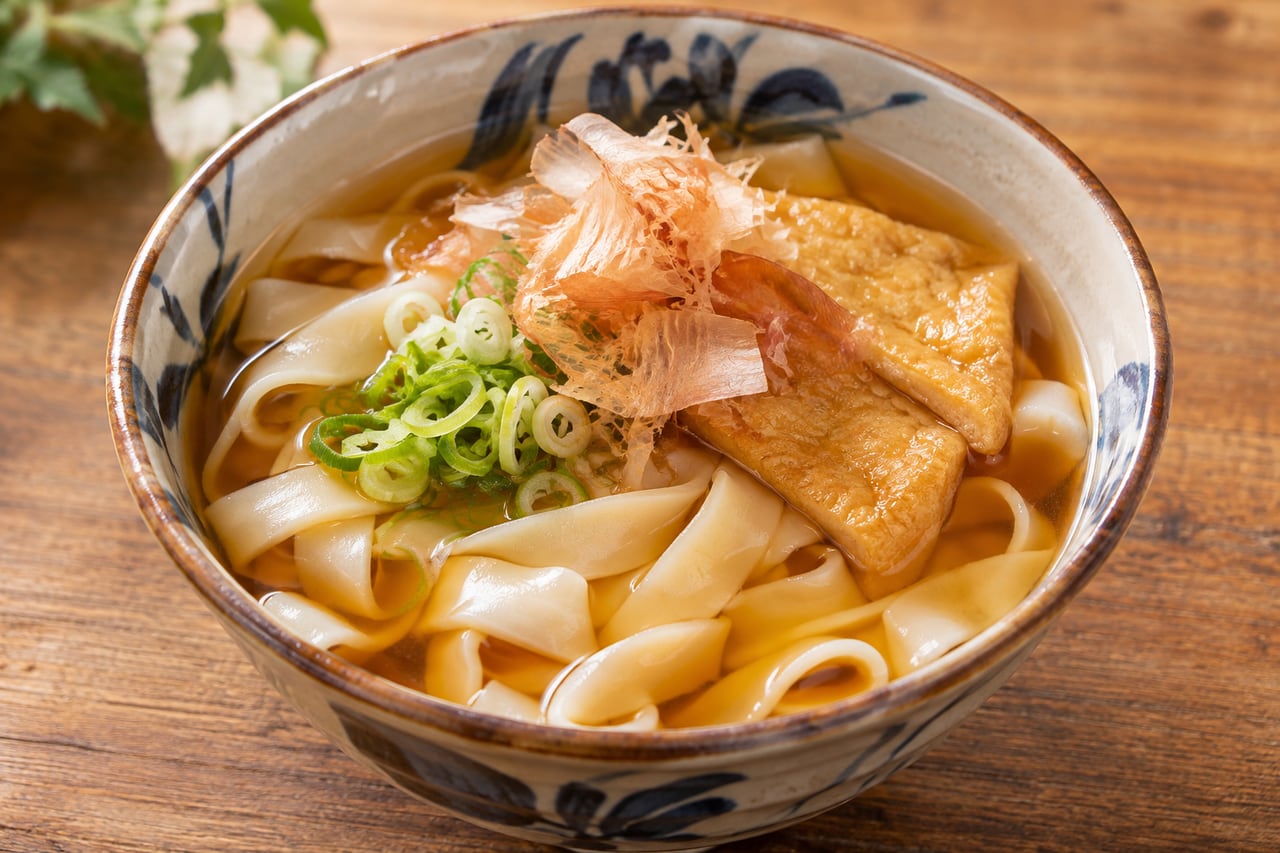
Kishimen
Broad, flat wheat noodles.
Check the broth and toppings as well as the noodles.
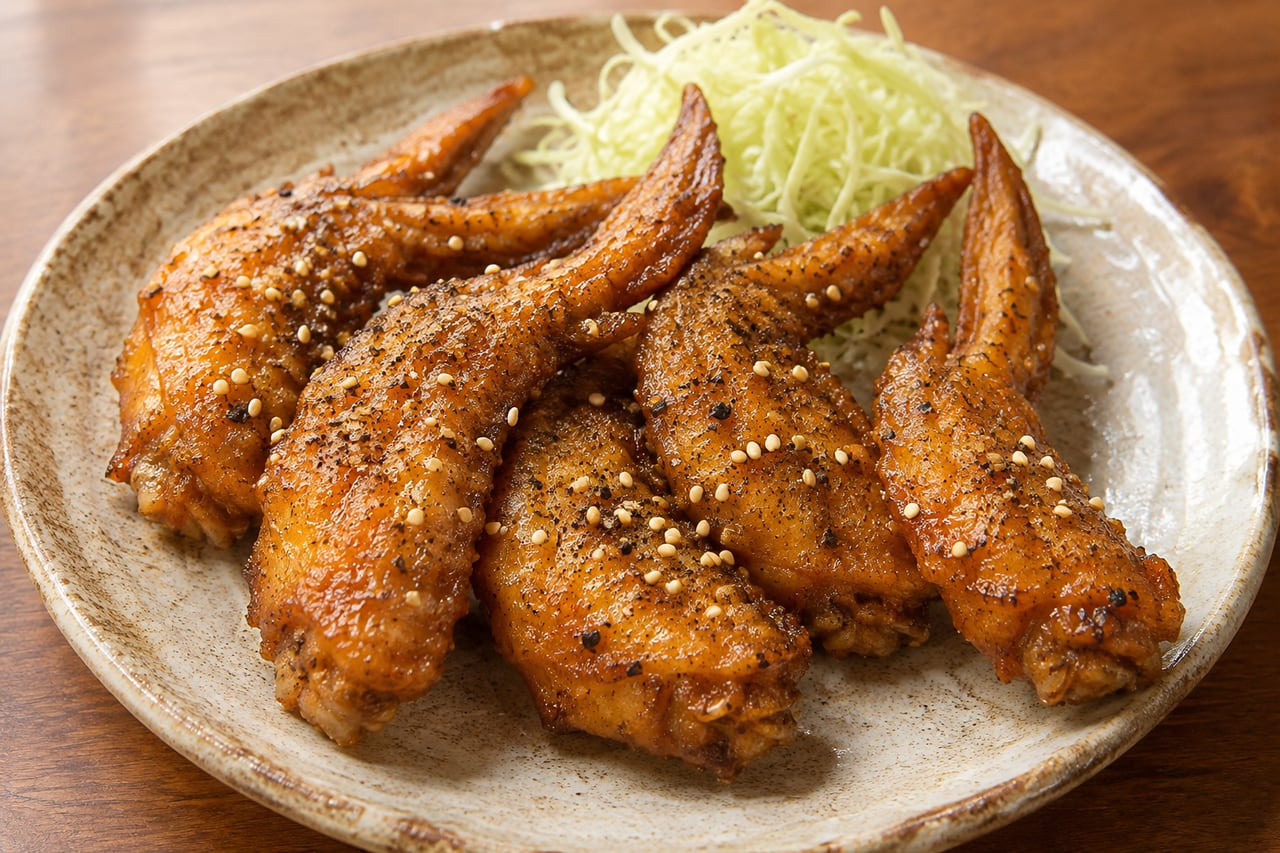
Tebasaki
Seasoned chicken wings, commonly deep-fried.
Seasoning can be peppery; this is not a boneless chicken dish.
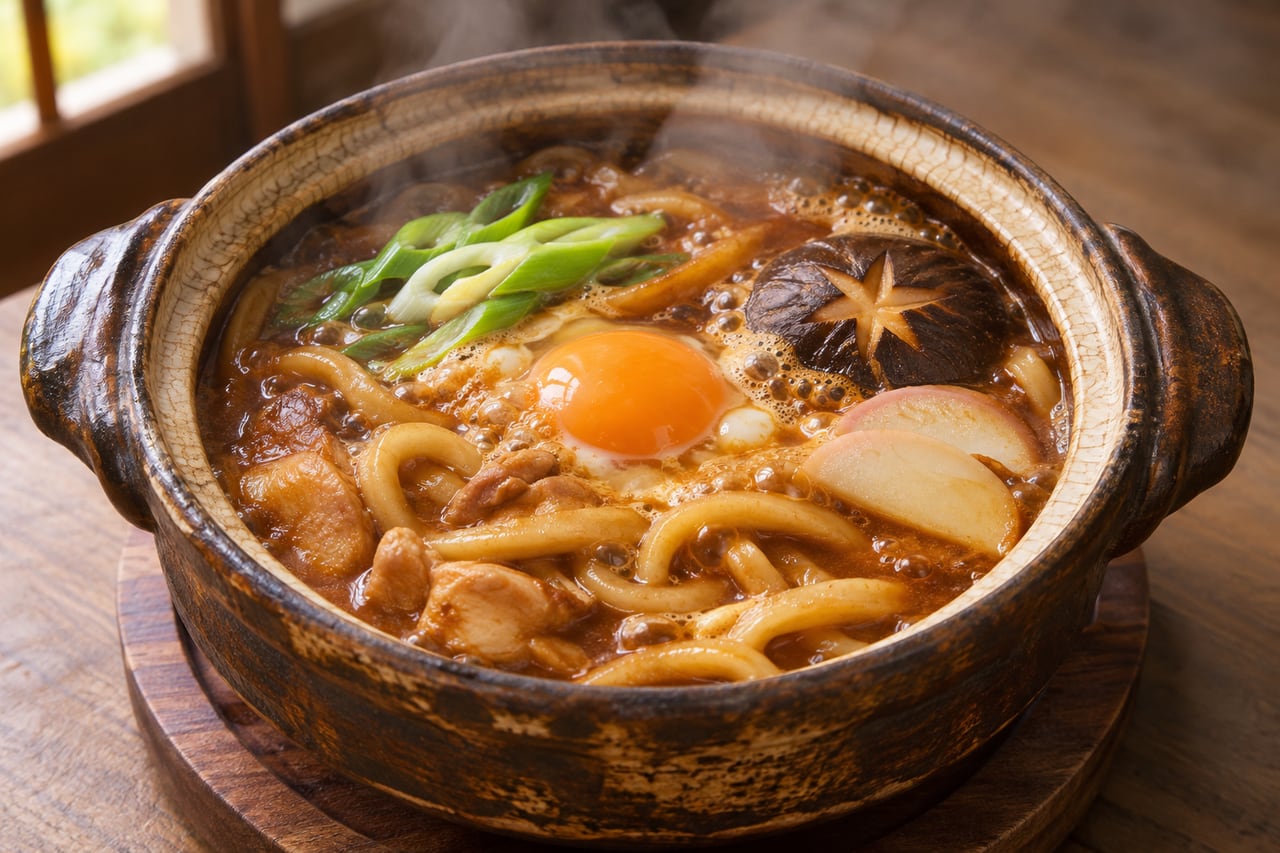
Miso-nikomi udon
Wheat noodles simmered in a miso-based broth.
Check meat, egg and other additions.

Ogura toast
Toast with sweet red-bean paste, often served with butter.
A café option; check the actual breakfast set and serving hours.
Food background: Nagoya Meshi’s official introduction and Aichi’s official food guide. The table describes common dishes; it is not an allergen list or a recommendation for a specific restaurant.
How to enjoy hitsumabushi
A typical approach is to try some eel and rice as served, another portion with the condiments, and another with the supplied liquid. The small bowl lets you compare these combinations without changing the entire serving at once. Restaurants may explain their own preferred order. Ask if you are unsure which pot contains the broth; there is no need to guess.
Give yourself time for a meal like this after the race or on a separate sightseeing day. If a restaurant has a queue, decide how long you are happy to stand before joining it. The value of a race holiday is not measured by how many famous restaurants you manage to reach.
Eating before your race
Keep the final pre-race meals close to what you have already practised. A familiar rice-based meal, noodles you know you tolerate, or your usual breakfast may be easier to plan than a large unfamiliar tasting menu. Individual tolerance matters more than a dish being labelled “Japanese” or “healthy”. This is practical travel advice, not a prescription for your fuelling needs.
Check when breakfast starts. If it does not fit your departure time, buy suitable food the evening before and confirm how it can be stored. For late races, plan lunch and any familiar snack in advance, rather than spending the afternoon searching for food around the venue.
Understanding everyday Japanese menus
Onigiri are rice balls with a range of fillings. Teishoku means a set meal rather than one specific recipe. Donburi means a rice bowl with a topping. Udon are wheat noodles; soba are buckwheat noodles that may also contain wheat. With all of these, check the whole dish, not just the name.
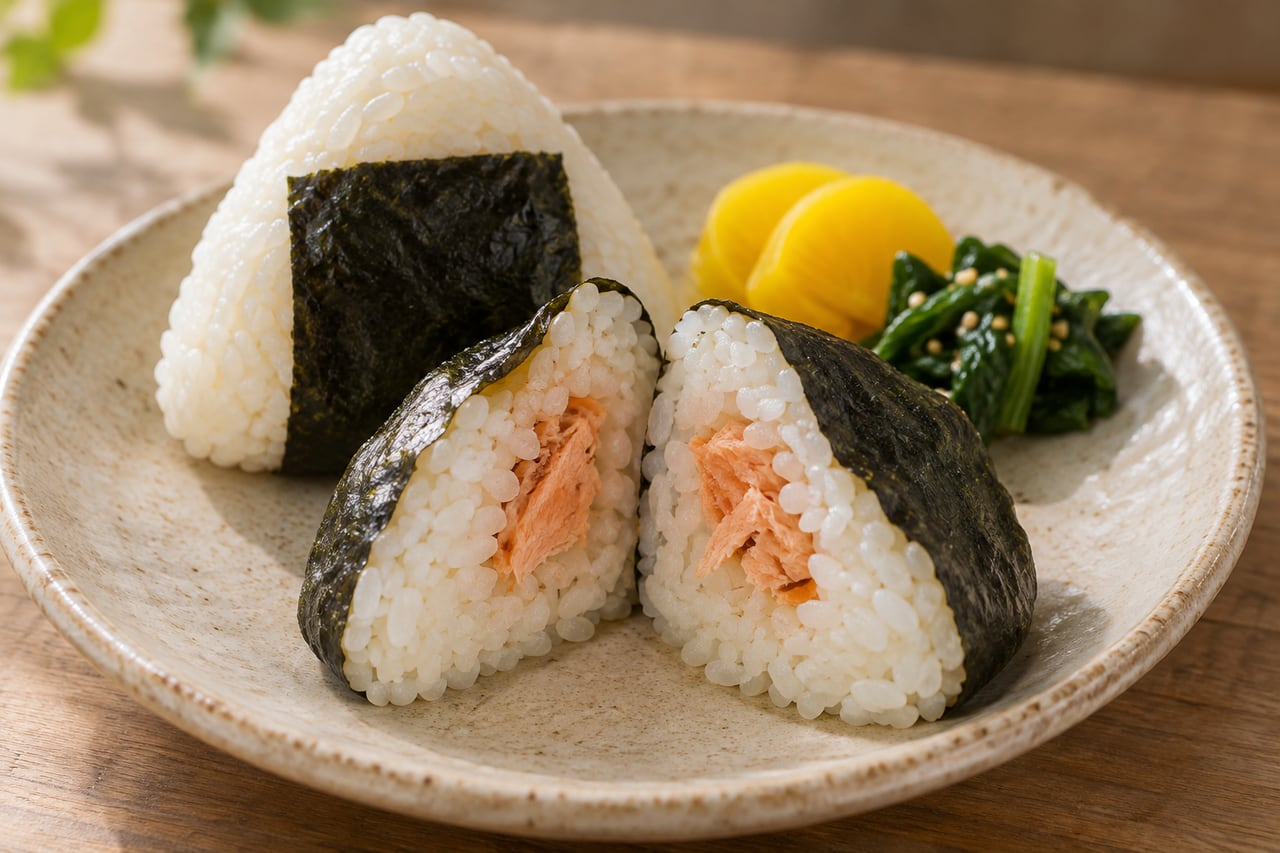
Onigiri
Seaweed-wrapped rice balls, with salmon filling visible in one cut rice ball.
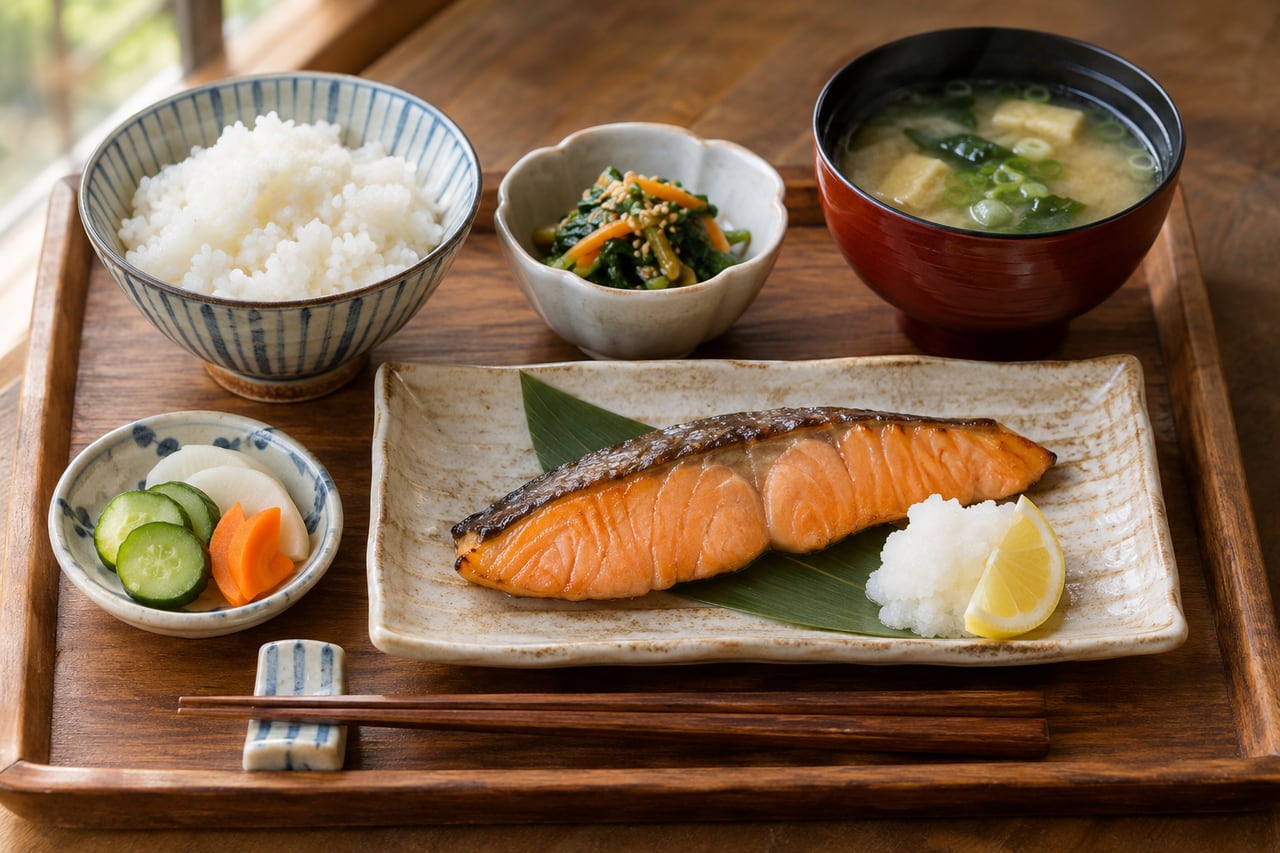
Teishoku
An example of a set meal: grilled salmon with rice, soup, vegetables and pickles.

Donburi
An example of a rice bowl: oyakodon, with chicken, egg and onion.
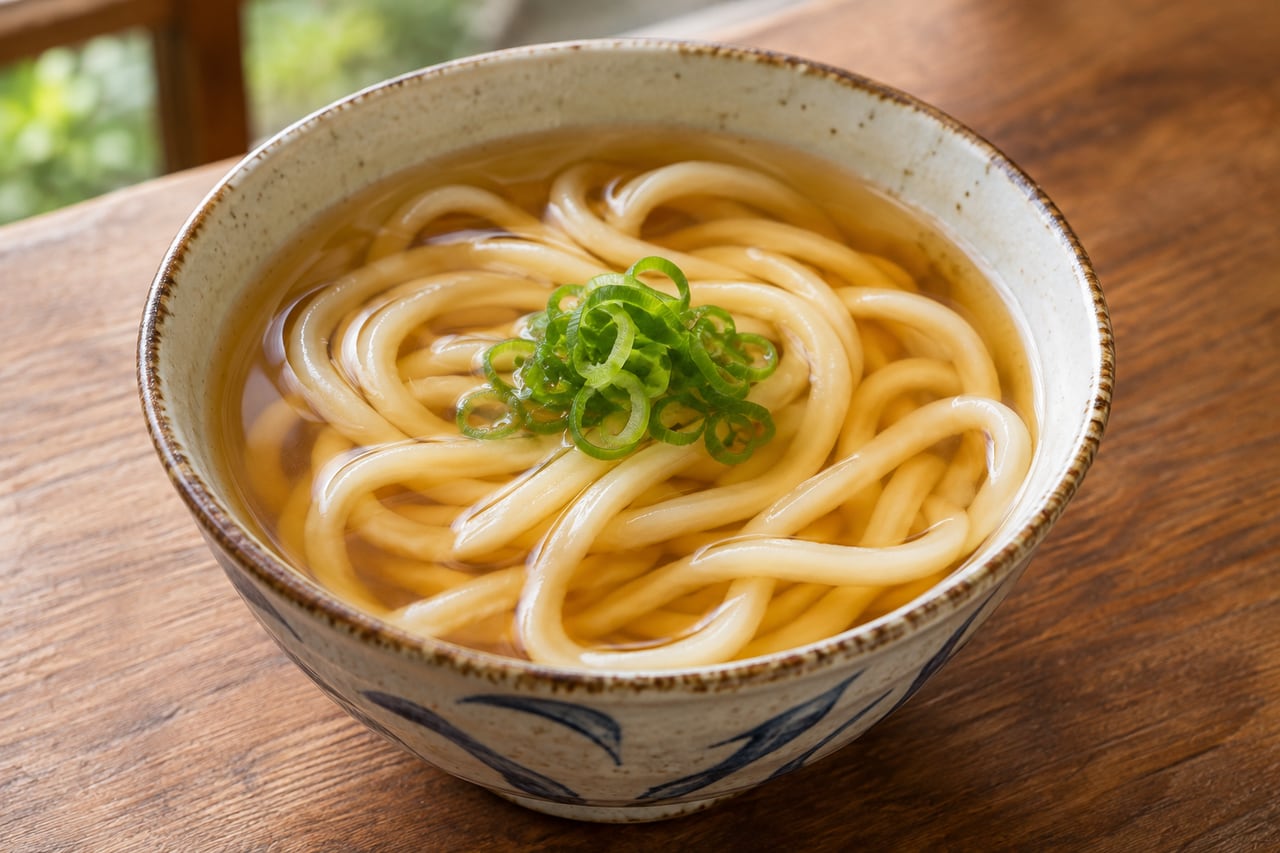
Udon
Thick round wheat noodles in a simple clear broth with spring onion.
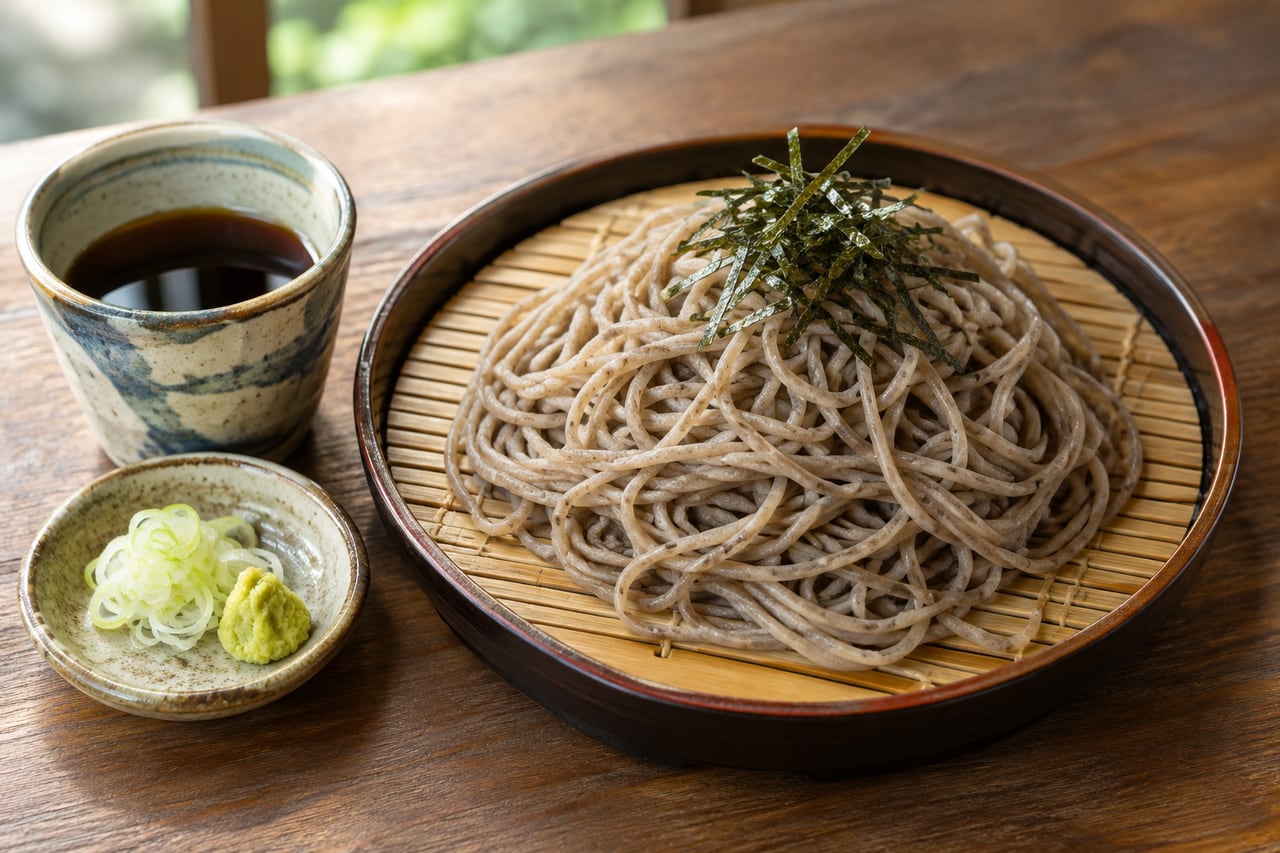
Soba
Buckwheat noodles served on a bamboo tray with dipping sauce.
Pictures help you identify a dish but cannot reveal every ingredient. Soup stock, sauces and toppings deserve attention, particularly for allergies or dietary requirements. A vegetable-looking meal is not automatically vegan, and removing visible meat may not remove animal-based stock. See JNTO’s vegetarian and vegan guide.
If you have an allergy, prepare a written explanation and discuss the ingredients and preparation with the restaurant. The Consumer Affairs Agency communication sheet can help with the conversation. For halal requirements, confirm suitability directly rather than inferring it from the main ingredient.
7. Planning your first race trip to Japan
A sensible order for the bookings
- Confirm the race entry: exact event, date, division and group members.
- Choose the trip length: place your arrival and departure around your own race date using the templates above.
- Check flights and rooms together: an inexpensive flight with a difficult arrival time may require another night or an awkward transfer.
- Keep race night flexible: do not book a tightly timed onward train or airport journey based on a provisional schedule.
- Add sightseeing last: check closures and any advance reservation before committing.
- Review the plan when the Start List and athlete instructions appear: update check-in, departure time from the hotel and the return journey.
What to save on your phone
Keep your ticket QR code, confirmation email, hotel address, the official event link, transport routes and a group contact plan easy to find. Save key information offline as well as online. In a large station or event crowd, “I will look it up when I get there” is less convenient than having the correct entrance already marked.
For the venue, save both English and Japanese names: Port Messe Nagoya / ポートメッセなごや, Kinjofuto / 金城ふ頭, and Aonami Line / あおなみ線. For the airport train, remember that Meitetsu Nagoya is the Meitetsu station, not an instruction to board any train departing the wider Nagoya Station complex.
Entry formalities and travel essentials
Check the entry requirements that apply to your passport and trip. Start with JNTO’s visa information and follow the relevant official guidance. Visit Japan Web is the Japanese government’s service for applicable arrival procedures; it is not a substitute for a required visa.
Arrange mobile connectivity, a compatible charger and a practical payment backup. Review travel-insurance terms for organised sports participation. If you need regular medication or specific dietary arrangements, deal with those before departure rather than relying on finding an exact replacement during a short stay.
A budget you can actually use
List the race ticket and selected extras, flights or intercity rail, accommodation, airport transfers, venue journeys, daily meals, attractions and a contingency. Divide shared costs only by the people actually sharing them. A room for two teammates and a family room will not produce the same per-person budget. Compare current quotes for your exact dates; hotel prices can vary substantially by date and room type.
Supporters, luggage and the journey home
Confirm admission for supporters, including children, from the event’s own sales information. Agree where to meet after the finish and how long people are willing to stay at the venue. Keep your main suitcase at the hotel if the hotel confirms storage; do not assume race bag facilities can hold every traveller’s luggage.
For an evening wave, work backwards from the last useful transport connection, including the time after finishing. If the plan depends on every step running perfectly, change it. Staying in Nagoya after racing is often the simplest way to preserve the holiday part of the trip.
8. Frequently asked questions
Is Port Messe Nagoya at the airport?
No. Port Messe is in Kinjofuto. Aichi Sky Expo near Centrair is a different exhibition venue. Use the full venue name in your route search.
Which station should I use for HYROX Nagoya?
Kinjofuto on the Aonami Line is the relevant station for Port Messe. Nagoyako Station serves a different part of the port area.
How many nights should an international athlete stay?
Four nights is our starting suggestion for a race plus a city day. A two-night visit is more compressed; five to seven nights allow extra sightseeing or more time before the race.
Can I race Sunday and fly home Sunday evening?
Do not assume so. The final wave is currently estimated to start around 20:20. Your own confirmed wave, the time after finishing and the airport transfer determine what is possible.
Will I see cherry blossoms during HYROX Nagoya?
Do not book on that assumption. The race is in mid-April and flowering varies. Check reports closer to travel and build a trip that works without a specific blossom forecast.
Can I add Osaka HYROX to the same short trip?
The announced Osaka race is in January 2027, while Nagoya is in April. You can visit Osaka as a tourist during a Nagoya trip, but these two HYROX events are not on adjacent weekends.
Does “JR Central” mean the ticket includes train travel?
Do not assume that from the event name. Check the specific inclusions in your race ticket or a separately sold package before treating transport as included.
Sources and further reading
Sources were reviewed on 14 November 2026. Provisional event details, transport services and attraction access may change before April 2027. Itineraries and hotel-area comparisons are ROXNOW editorial suggestions, not booked packages or hotel reviews.
Bring your training record to Japan with HYTRAX
Keep HYROX, running and strength sessions together in the HYTRAX iOS and Android apps. Record distance, repetitions, weight and time; review your progress; and share a training result over your own photo.
Use your training history to look back on the preparation that brought you to Japan, then keep recording towards your next race.
Download for iPhone · App Store ↗Get it for Android · Google Play ↗

ROXNOW編集部
ROXNOW編集部が公式資料等を確認し、独自に整理・執筆しています。